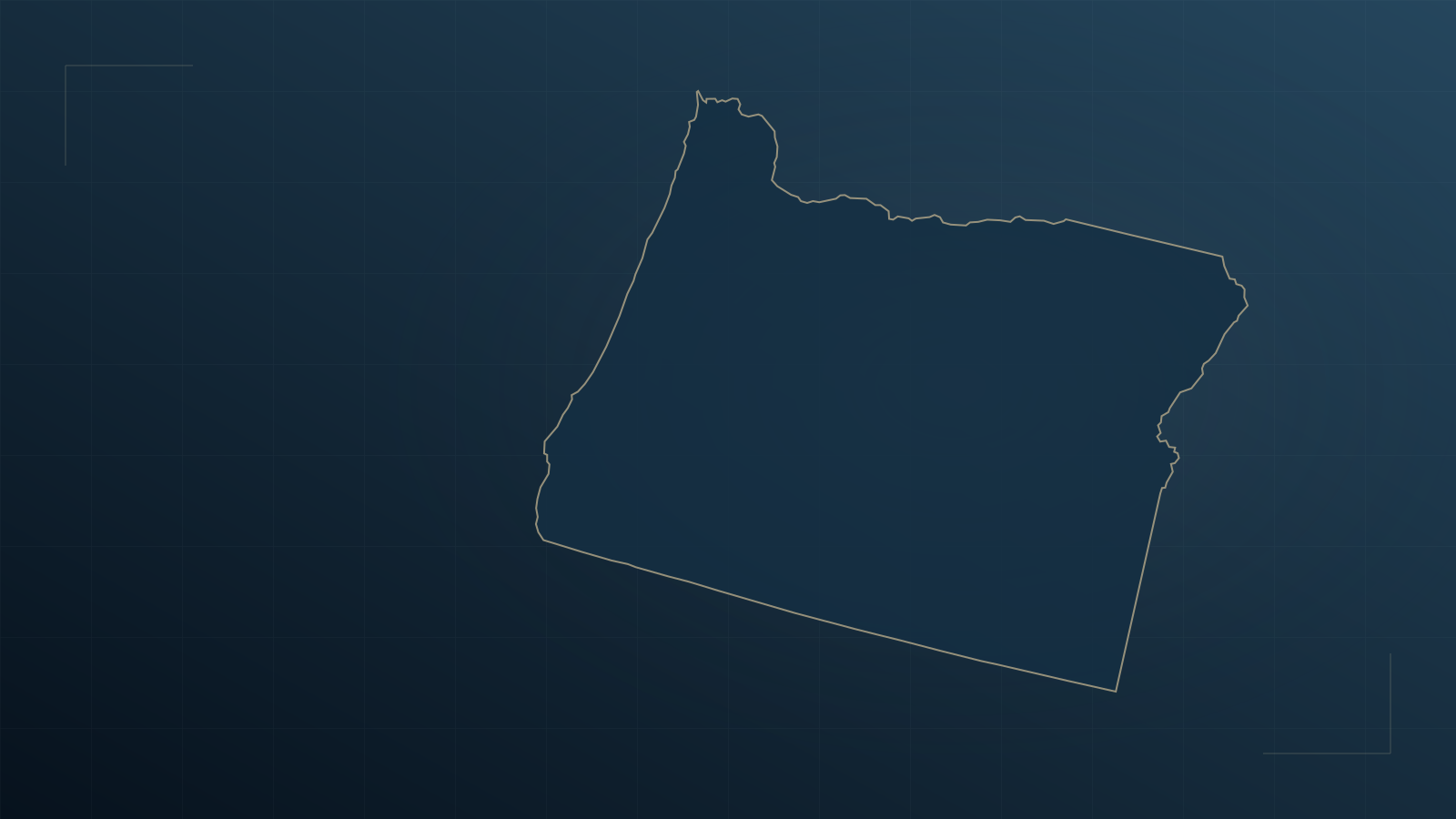
Geographic outline of Oregon on a dark navy background

    Supreme Capital Business Brokers · Oregon service area

    Business Broker Oregon

    An Oregon business sale should explain how product demand becomes sustainable cash flow. Food and beverage processing, outdoor gear and apparel, forestry and wood products, advanced manufacturing, and high technology present different operating questions. Supreme Capital Business Brokers focuses on product margins, supplier reliance, inventory cycles, delivery requirements, and the people responsible for continuity.

    Business ownership, in context

    A Clearer Path for Oregon Business Owners

    For a product business, revenue totals are only one part of the story. Explain what must be purchased, produced, stored, and shipped before customer payments arrive, including the decisions that currently depend on the owner.

    Outdoor gear and apparel can require a different inventory discussion from food processing or wood products. The useful comparison is between each company’s actual products, purchasing practices, and order cycles rather than a shared assumption about product businesses.

    Portland, Salem, Eugene, Bend, Medford, and Corvallis provide coverage reference points. Evaluate the operating footprint through customers, suppliers, key employees, and delivery requirements instead of treating the company’s location as a complete description of its market.

    01 / Seller decision

    Selling a Business in Oregon

    Selling a business in Oregon starts before the first buyer sees a presentation. Financial statements, tax returns, current operating information and an explanation of the owner's responsibilities help establish what is being offered. Separate the business's transferable earnings from expenses or responsibilities that may change after a sale.

    Prepare product-level explanations that connect sales with margins, inventory commitments, and supplier dependence. Identify which items generate repeat orders and which require more purchasing or production effort than their revenue contribution might suggest.

    If the owner manages important suppliers, document the timing and judgment involved. Explain how employees handle purchasing, substitutions, scheduling, and customer communication so the buyer can distinguish established processes from responsibilities needing a deliberate handoff.

    Confidentiality is a sequence of decisions, not simply a label on a listing. Agree on what information can be shared, how buyers will be screened and when employees, customers or suppliers should become involved. An early anonymized overview should protect details that could identify the business before a buyer is qualified. Understanding what a business broker does helps owners define the advisory role.

    Offers need to be compared on more than the headline price. Financing conditions, included assets, working capital, seller involvement and the transition timetable can change the practical outcome. Legal and accounting advisers should review the proposed structure before commitments are made. Preparation does not guarantee a sale, but it can make the questions and trade-offs clearer.


    02 / Value in context

    Business Valuation in Oregon

    A business valuation in Oregon should connect documented earnings to the company's ability to sustain them under new ownership. Begin with a review of revenue, expenses, owner adjustments, assets and operating requirements. A sector label or a location alone cannot substitute for financial analysis.

    Inventory should be reviewed for its practical role in future sales. Separate materials, work in process, and finished products, then explain how each category relates to current orders and normal purchasing needs rather than relying on one aggregate balance.

    Product margins become more meaningful when viewed alongside fulfillment demands. A line that appears attractive before handling or delivery may require more operating support, while supplier reliance can affect how confidently a buyer can plan continued production.

    Valuation also depends on what the proposed transaction includes. Inventory, cash, debt, real estate and working capital should be distinguished from the operating business. Clarifying these boundaries early helps owners and buyers discuss value on a consistent basis and identify when independent valuation, tax or legal advice is needed. The business valuation guide and explanation of valuation multiples provide further context for comparing earnings and transaction assumptions.

    Private business advisory meeting room at dusk

    Clarity before commitment

    A stronger transaction starts with a clear understanding of what a buyer is acquiring—and what an owner wants to leave behind.

    Business financial documents prepared for acquisition review

    03 / Buyer perspective

    Buying a Business in Oregon

    Buying a business in Oregon requires a clear acquisition brief. Define the activities you understand, the capital you can commit, your management role and the scale of operations you can support. A business that suits an experienced operator may not fit a first-time buyer with different resources or expectations.

    Map the business from supplier commitment to customer collection. Ask when cash is required, what happens if delivery timing changes, and who makes purchasing decisions. This exposes the resources needed to maintain operations beyond the purchase itself.

    For an advanced manufacturing or high technology company, review key employee responsibilities alongside physical resources. The buyer should understand whether essential knowledge is shared, documented, or concentrated in an owner whose role must be replaced.

    Due diligence should test the assumptions used to evaluate the opportunity. Reconcile financial information, review contracts and operational dependencies, examine asset condition and assess the transition plan. For regulated activities, involve appropriately qualified advisers rather than assume approvals or credentials transfer with ownership.

    Financing and deal structure should be considered alongside operating needs. Acquisition funding is only part of the capital required: buyers must also plan for working capital, transaction costs and the period of transition. Compare contingencies and responsibilities before signing, with legal and accounting review appropriate to the proposed transaction.

    04 / Beyond the immediate sale

    Ownership Transitions in Oregon

    An outdoor apparel business may report strong sales while carrying inventory that does not match the products customers are currently ordering. Review product categories, purchasing commitments, order history, and the cash required for the next cycle together. A food processor or wood-products company needs the same discipline applied to its own operating pattern, not borrowed assumptions. Connecting inventory usefulness with margins and supplier relationships helps both parties distinguish resources that support near-term continuity from stock or commitments requiring closer examination.

    Selling a business

    05 / Place matters

    Oregon Markets & Business Context

    Across Oregon, examine the company’s supplier network, product economics, inventory commitments, employee knowledge, and delivery footprint, using regional context to refine questions while keeping the operating evidence specific and practical.
    Oregon statewide economic context
    Oregon, United States

    Portland

    For a Portland opportunity, trace the connection between purchasing decisions and customer orders. If a food or apparel business carries several product lines, compare their margins and inventory demands. A buyer should understand which products support dependable operations and which require additional attention, cash, or changes in purchasing practice.

    Bend

    A Bend business should be assessed through its own customer and supplier relationships. If an outdoor gear company depends on particular products or vendors, examine ordering history and inventory commitments. Product appeal does not replace a clear explanation of how goods are sourced, delivered, and converted into collected revenue.

    Medford

    When reviewing a Medford company, connect its delivery footprint with employee responsibilities and production needs. If a wood-products or manufacturing business relies on key operators, identify their roles and coverage. The operating model should explain how customer commitments can continue without assuming that the seller’s knowledge transfers automatically.

    Oregon service-area map

    A closer look

    Business Brokerage, Explained

    An overview of the business brokerage process from Supreme Capital Business Brokers.

    06 / The transaction

    How a Business Sale Typically Moves Forward

    Every transaction is different, but most follow a recognizable sequence from preparation through closing.

    1. 01

      Understand the business

      Review operations, financial performance, ownership structure, and seller objectives.

    2. 02

      Evaluate value and positioning

      Consider earnings, risks, strengths, marketability, and an appropriate pricing strategy.

    3. 03

      Prepare for market

      Organize financial information and transaction materials while deciding what can be shared and when.

    4. 04

      Confidential buyer outreach

      Present the opportunity carefully while protecting sensitive business information.

    5. 05

      Qualify buyers and evaluate offers

      Compare capability, financing, price, structure, contingencies, and other terms.

    6. 06

      Due diligence and closing

      Coordinate the information process after an accepted offer and work through the remaining transaction requirements.

    Questions owners ask

    Business Broker Oregon FAQs

    Explain margins by meaningful product category and connect them with purchasing, production, handling, and delivery requirements. Identify unusual orders or cost patterns separately. Buyers need to understand which products contribute to earnings and how much operating effort those products require, rather than relying only on an overall margin figure.

    Compare inventory categories with recent orders and the company’s purchasing cycle. Clarify what is ready for sale, what supports current demand, and what needs closer examination. The objective is to understand inventory usefulness and the resources required for the next cycle, not simply confirm that a recorded balance exists.

    A supplier relationship may influence product availability, purchasing timing, and the owner’s daily workload. Identify who manages the relationship and how decisions are documented. Buyers should understand the practical consequences of delays or changes without assuming that a list of vendors explains the company’s ability to continue fulfilling orders.

    Additional orders may require more materials, inventory, production time, or delivery activity before customers pay. Review the company’s actual sequence of purchases and collections to understand that requirement. Growth becomes easier to evaluate when the buyer can see both the potential revenue and the resources needed to produce it.

    Compare actual supplier locations, customers, deliveries, and employee arrangements rather than broad regional impressions. Determine which activities require physical movement and who coordinates them. Two companies in the same sector may have different fulfillment demands, while businesses in different regions may share a closely comparable operating model.

    Identify where technical knowledge, customer understanding, and delivery responsibility reside. Review how employees share information and which decisions still depend on the owner. A buyer should evaluate the support needed to sustain current work before assigning value to new products, additional customers, or other expansion that has not yet been demonstrated.

    Start with the facts

    Considering a Sale, Acquisition or Valuation?

    Tell us about your Oregon business, the transition you are considering and the questions you need answered. We can discuss preparation, valuation or acquisition objectives in a confidential consultation.

    (305) 928-1830

    Request a Confidential Business Valuation

    Tell us about your business and we'll contact you to discuss the valuation and the information needed to evaluate it.

    100% Confidential. Your inquiry is private and will never be shared.

    No obligation. Confidential consultation.